Pediatric variegate porphyria: cutaneous clues to a hidden metabolic disorder.
Downloads
DOI:
https://doi.org/10.26326/2281-9649.36.4.2944How to Cite
Abstract
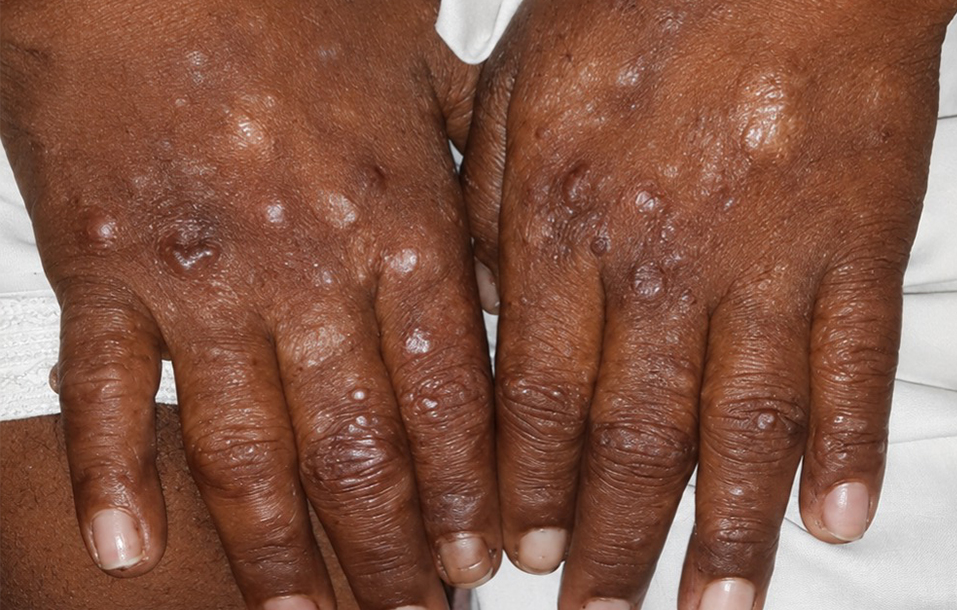
Hereditary porphyrias are inherited metabolic disorders affecting critical enzymes of the heme biosynthesis pathway. Variegate porphyria (VP) is the most common neurocutaneous porphyria. VP involves dysfunction of the protoporphyrinogen oxidase (PPOX) enzyme, leading to accumulation of protoporphyrinogen and other upstream metabolites and hence of the cutaneous and neurological symptoms. The cutaneous manifestations of VP include bullae and blistering in sun-exposed areas, such as the hands and feet, along with diffuse hypertrichosis. These symptoms occur due to photoactivation of porphyrins. We report a case of variegate porphyria in a 12-year-old patient. This case highlights the importance of considering porphyria in pediatric photosensitive bullous disorders, particularly when accompanied by unexplained abdominal or neurological symptoms.